Responsibilities of a Music Festival Traffic and Transport Coordinator.
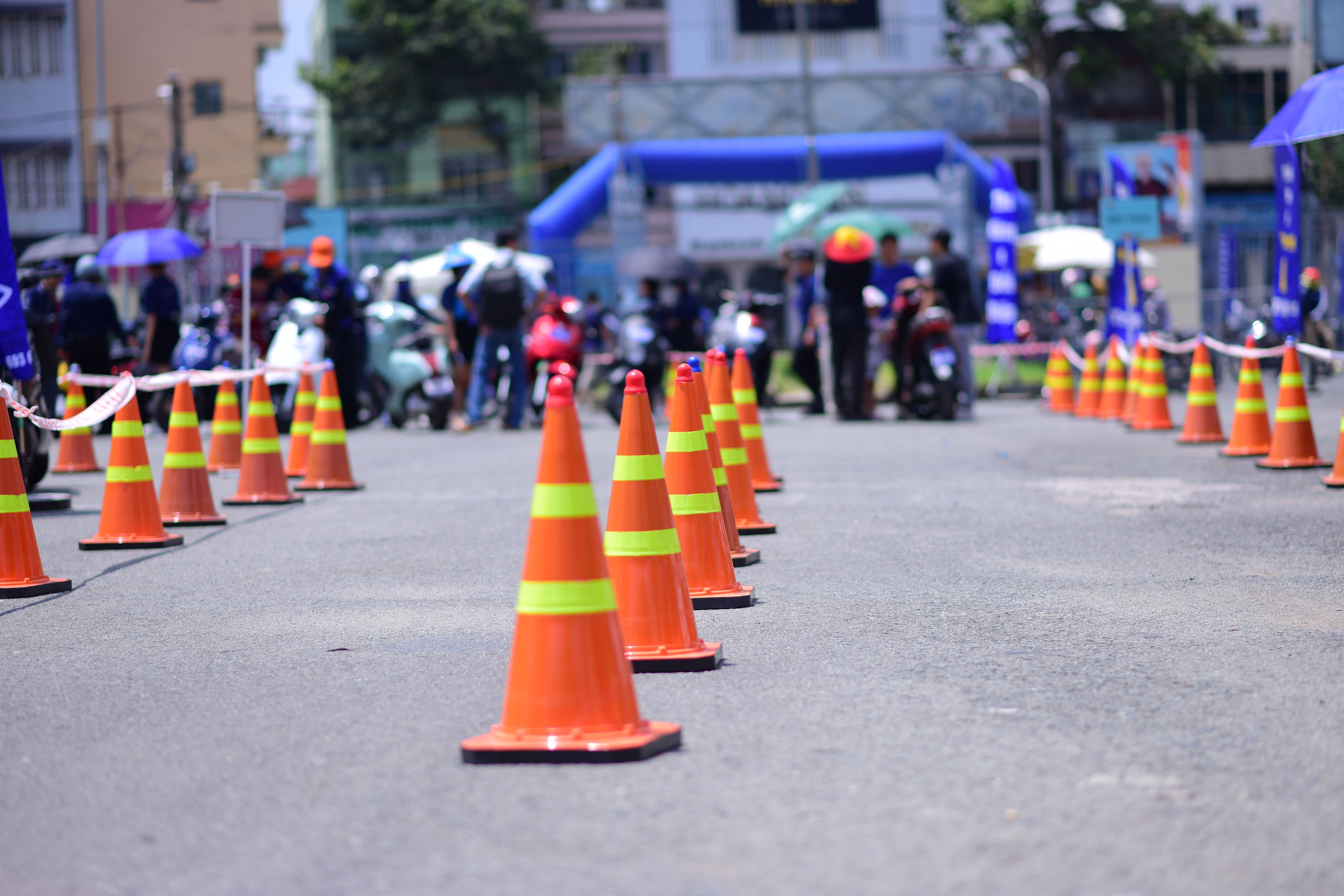
For any remote outdoor large-scale music festival, the volume of site traffic can increase safety risks and congestion. A dedicated traffic and transport coordinator can ensure that vehicles and transport systems can reach the festival site, move around safely and leave without creating congestion or safety risks. What are the overall responsibilities of this dedicated role.
The traffic and transport coordinator is responsible for ensuring that artists, staff, volunteers, vendors, contractors, vehicles and festival-goers can arrive, and leave the festival site safely and efficiently. They work with festival operations teams, staff, volunteers, and external agencies to coordinate vehicle movement and safety, which requires meticulous planning and real time management.
Overall Responsibilities.
The most important aspect these coordinators manage are the festival site access gates which can be separated into various functions. Gates close to backstage zones are generally reserved for artists, VIPs, and technical production crews. A dedicated gate is also given to vendors and contractors who typically need access for larger commercial vehicles. The general public access gates allow high volumes of festival-goers to enter the site using RFID scans. A priority is to always maintain an emergency access gate which must be kept continuously clear throughout the duration of the event. The dedicated contractor access gates will be busiest during the buildup and breakdown phases and require complex scheduling and access control accreditation management. On some sites festival-goers will have access to car parks, usually located a short distance away from the main site. These zones often need large numbers of volunteers to help direct and manage traffic for fast and efficient parking. The coordinator may also have responsibility for ensuring that the ground used by any vehicle has been appropriately prepared to allow for adverse weather conditions. As safety is a priority, it is essential that the coordinator ensures there is sufficient separation between pedestrians and vehicles at all times throughout the festival site.
Planning.
The coordinator will need to develop an overall Traffic Management Plan for the event which maps all vehicle access and exit routes. This plan will take account of the public roads connecting outside traffic to the site to avoid congestion. Contractor access will generally need wider roads capable of handling larger commercial vehicles, and smaller narrow roads can be used for other access types. The plan should highlight potential choke points where coordination with local police and authorities may be required for road closures and other temporary traffic management measures, for example. In addition, the plan should contain contingencies for road accidents, flooding, extreme weather, and vehicle breakdowns. There should always be a priority contingency for emergency site evacuations and maintained access for emergency services.
Communication and Liaison.
As traffic and transport is a critical operational function of the festival, it is essential that the coordinator establishes a seamless communication structure for the event. Communication is usually done using walkie talkies because they have a stand-alone ability without requiring connectively. The coordinator will always work with external agencies sharing their Traffic Management Plan with the aim of getting agreements on schedules and other necessary permissions. The external agencies and parties typically include local authorities, police, emergency services, transport authorities, landowners, public transport operators, and local residents. The priority is the efficient and safe movement of vehicles from the buildup phase, during the live dates and through to the final breakdown phase.
Team Deployment.
The coordinator does not work alone and relies on a team that may be a mix of staff, security contractors, and volunteers. Depending on experience and the training given, the team will be deployed to different duties that may include gate access points, car park attendants, and traffic management. It is not unusual to also have security contractors working on gate access in addition to volunteers who handle scanning and queue management. Public road traffic management maybe be a combination of volunteer staff and local police depending on how external agencies want to handle responsibility. The coordinator must have the ability to manage all vehicle traffic in real time with the aid of CCTV and always-on communication with their team and external agencies. This enables fast decision making to help manage queue lengths, road congestion, vehicle incidents, and developing weather-related problems. This real-time coordination helps to manage these typical situations, leading to better overall traffic and transport management for the festival.
For festival organisers planning their next event using a software management platform like Festival Pro gives them all the functionality they need manage every aspect of their event logistics. The guys who are responsible for this software have been in the front line of event management for many years and the features are built from that experience and are performance artists themselves. The Festival Pro platform is easy to use and has comprehensive features with specific modules for managing artists, contractors, venues/stages, vendors, volunteers, sponsors, guestlists, ticketing, site planning, cashless payments and contactless ordering.
Image by Soc Nang Dong via Pexels
<< Back to articles
Contact us
Get in touch to discuss your requirements.
US: +1 424 485 0220 (USA)
UK: +44 207 060 2666 (United Kingdom)
AU: +61 (2) 8357 0793 (Australia)
NZ: +64 (0)9887 8005 (New Zealand)