Mitigating Wildfire Risks for Outdoor Music Festivals.
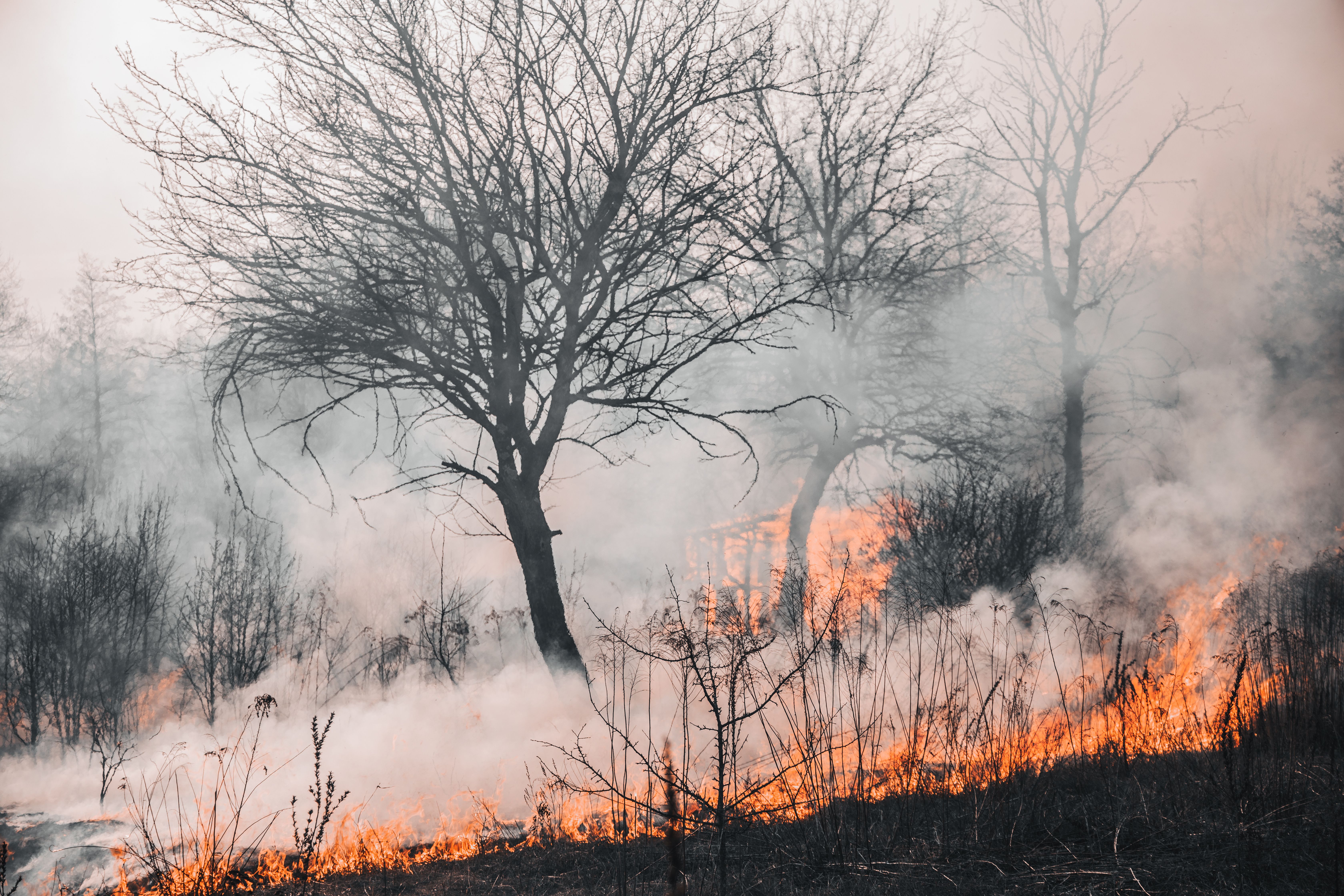
In recent years there appears to have been an increase in wildfire occurrences which pose a major threat to life and property. Key incidents have taken place in North America and Europe, creating concerns for festival operators in designated high-risk areas. What can organisers do to mitigate this threat and prevent property damage or injuries to festival-goers.
Whilst many wildfires are the result of natural changes to the climate and environment, some are the result of deliberate acts or simple negligence. Periods of prolonged drought combined with dry forests and scrubland conditions create perfect conditions for fires to start. Many outdoor music festivals take place in remote locations where it is difficult to avoid forests and vegetation, which can make them vulnerable to wildfire occurrences. How can organisers build wildfire resilience into their planning and site location selection.
Increased Occurrences of Wildfires?
Wildfires have always existed and are not a new phenomenon; they can be considered a key natural part of soil and forestry management. A combination of poor land management and an increase in media coverage is making the wildfire appear like a new more frequent occurrence. In parts of Spain (Galicia, Andalusia and Catalonia) authorities have had a focus in recent years on better land and forestry management almost eliminating wildfires. More people are using remote areas for recreation where negligence is causing the ignition of dry loose vegetation. Campfires, cooking, smoking, and other human activities can create ideal ignition conditions. Some scientific evidence also suggests that more extreme weather conditions with increased incidence of lightning strikes and high winds are also a contributory factor.
Threat to Outdoor Music Festivals Sites.
Aside from the direct risk of nearby wildfires music festival sites located many miles away can also be impacted by smoke, road closures, power disruptions and fire service redeployments. Wildfires can move at a rapid speed if accompanied by high winds creating a direct threat to a festival site even if the fires are miles away. Exposure to smoke can cause respiratory problems, eye irritation, and difficult working conditions for staff and volunteers. Wildfires advancing on site can also impact festival infrastructure like water supplies, power lines, road networks, and temporary buildings. If a site must be evacuated and abandoned, there will be a significant financial loss for organising entities. This is also the case if a wildfire threat is identified before the live dates where risks are considered high enough for artists and festival-goers to cancel their attendance.
Location Planning and Risk Assessment.
Any outdoor music festival must now take into account the threat of wildfires, even if the location is miles from the nearest forest. Consideration for potential wildfires should now form a key part of the risk assessment and planning process for organisers. An integrated plan should include location selection risks, local vegetation management assessments, emergency response capabilities, and coordination with local fire services. As live dates approach organisers should have in place accurate weather forecasts with predicted fire danger ratings, this enables them to deploy alerts and fire risk warnings in a timely manner.
Fire Prevention Measures.
The festival site design will always take into account the management of large numbers of festival-goers who must be evacuated quickly and safely. It will always be prudent to get advice from local fire services, (who may be part of the permit issuing decision process anyway), who can specify where different zones are located with sufficient clear space (fire breaks) between them and nearby forestry or dry vegetation. During the site buildup phase, organisers must ensure that they clear any combustible material like nearby dry vegetation, brush and undergrowth. Organisers should ensure that any on site power generators are placed on non-combustible ground and are fitted with spark arrestors with fire extinguishers placed nearby, Vendors must have their cooking equipment like LPG or gas supplies inspected to ensure they are safe to operate, also with appropriate fire blankets and extinguishers close to hand. If the festival site is considered to be in a high-risk wildfire area organisers can instigate a strict no smoking policy or at a minimum restrict smoking to designated smoking zones. During the live event dates, organisers must have access to wildfire intelligence, usually from local fire services and forestry authorities, for example.
Evacuation Plans.
Organisers should have a robust evacuation plan in place that ensures everyone on a site can exit in a timely and quick manner. Whilst some evacuation plans move everyone to a safe muster area, an approaching wildfire could mean that everyone must evacuate to a safe area some distance away from the site. This relies on accurate information being communicated which specifies the safe exists and recommended roads to take to avoid advancing fires. For this to occur, organisers must coordinate with local police and fire services who will have a better appreciation and understanding of the wider threat.
For festival organisers planning their next event using a software management platform like Festival Pro gives them all the functionality they need manage every aspect of their event logistics. The guys who are responsible for this software have been in the front line of event management for many years and the features are built from that experience and are performance artists themselves. The Festival Pro platform is easy to use and has comprehensive features with specific modules for managing artists, contractors, venues/stages, vendors, volunteers, sponsors, guestlists, ticketing, site planning, cashless payments and contactless ordering.
Image by Vladyslav Dukhin via Pexels
<< Back to articles
Contact us
Get in touch to discuss your requirements.
US: +1 424 485 0220 (USA)
UK: +44 207 060 2666 (United Kingdom)
AU: +61 (2) 8357 0793 (Australia)
NZ: +64 (0)9887 8005 (New Zealand)