The Scarcity of Suitable Venues or Locations for Music Festivals.
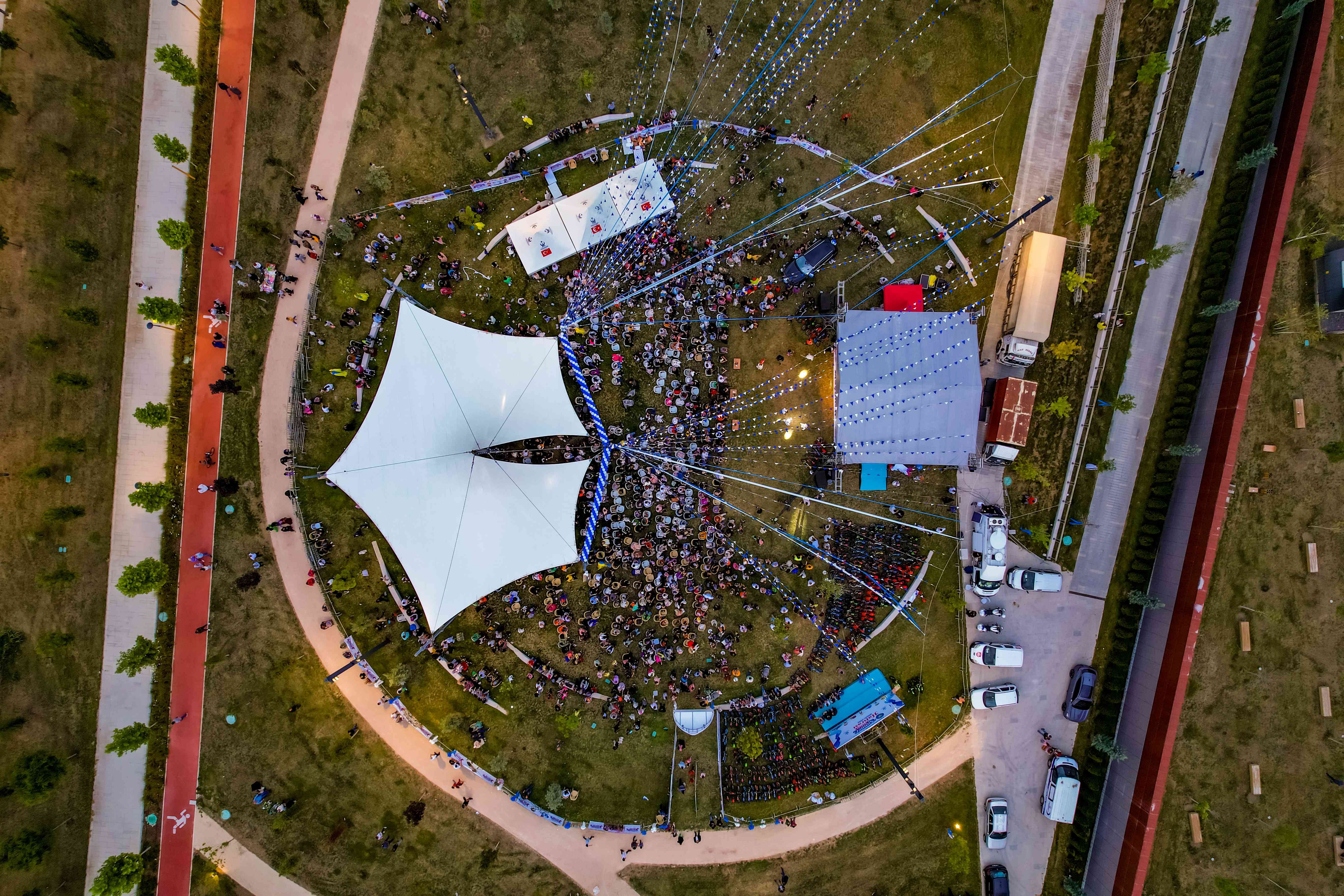
With pressure from numerous directions, some festival entities are finding it increasingly challenging to secure their ideal location or venue space for planned events. What's driving these changes and how can organisers find solutions to secure their preferred location or venue that will maximise attendance and revenue.
For any festival entity to maximise festival-goer attendance and revenue earned the location, and venue type is an essential part of the mix. Easy affordable access and an infrastructure that already exists or can easily be installed are key factors in ticketing purchase decisions. The same is true for attracting artists, sponsors, vendors and volunteers too, why is it becoming more challenging to secure the ideal location or venue for organisers?
Ideal Location Requirements.
The most important factors are accessibility, safety, infrastructure, festival-goer experience, and long-term sustainability. The location or venue must be able to handle the anticipated capacity, especially when organisers want to create separate zones for stages, vendors, camping, medical facilities, backstage areas, and parking, for example. Consideration for road access, parking and links to public transport, plus solid ground that does not flood are particularly important for outdoor remote sites. Some designated outdoor event sites already come with power and water suppliers connected plus permanent toilet facilities and are a significant bonus. Crowd control and emergency evacuations are key considerations, so sites with multiple entry/exit gates and road systems that allow emergency services easy access have major safety benefits. For artists and festival-goers the acoustic characteristics of a site can determine the quality of performances and if favourable will lead to a more enjoyable experience.
Venue and Location Scarcity Drivers.
There is an increase in demand for live events and more new music festivals being launched means there is greater demand for ideal sites. The availability of sites that are safe, legal, and sustainable is not keeping pace with demand from event organisers. The overall shortage of suitable sites does vary by region and jurisdiction and is becoming a particular problem in some European and South East Asian countries. Communities located close to sites or venues are becoming increasingly vocal in objecting to large scale music festivals often citing noise pollution, traffic congestion, environment impacts and disturbances encountered by rowdy festival-goers for example. There is more pressure from environmental groups about potential damage caused to the site ground and the higher risks of wildfires. With local communities and pressure groups becoming more vocal, the landowners are becoming risk averse with specific concerns about legal liability exposures, insurance requirements, site restoration costs and regulatory compliance obligations. As festivals increase in size and capacity, it is becoming more common for existing road access systems to become congested. This is causing significant delays, and emergency services assessments will be more likely to declare a site unsafe, resulting in permits being refused.
Impact on Music Festival Entities.
The smaller independent festival entities will be the most impacted by site scarcity because landowners increase prices based on limited supply, so only larger entities with corporate backing can afford the site fees. There have been cases of large corporate event operators booking suitable sites at higher prices to prevent competing events from operating on ideal sites. Many organisers are faced by rising costs for securing a suitable site combined with increased regulatory scrutiny, climate adaption requirements, and competition. Other significant impacts of this scarcity are reduced date options, land use changes, and lower capacity limits.
How Festival Organisers are Overcoming Scarcity.
If an organising entity has built a long-term relationship with a landowner and the local community, they are increasingly looking to secure multi-year agreements of between 3 and 5 years for example. A few local authorities are approving the establishment of more outdoor dedicated event sites which have pre-built infrastructure and are available at reasonable rates. Other collaborations between tourism authorities and government agencies in selected jurisdictions are helping organisers to source usable land on former industrial sites or unused agricultural land for example. Festival entities with events on different dates are more likely to be working together to host events on the same site where infrastructure costs and site fees can be shared too.
For festival organisers planning their next event using a software management platform like Festival Pro gives them all the functionality they need manage every aspect of their event logistics. The guys who are responsible for this software have been in the front line of event management for many years and the features are built from that experience and are performance artists themselves. The Festival Pro platform is easy to use and has comprehensive features with specific modules for managing artists, contractors, venues/stages, vendors, volunteers, sponsors, guestlists, ticketing, site planning, cashless payments and contactless ordering.
Image by Cadde Ajans via Pexels
<< Back to articles
Contact us
Get in touch to discuss your requirements.
US: +1 424 485 0220 (USA)
UK: +44 207 060 2666 (United Kingdom)
AU: +61 (2) 8357 0793 (Australia)
NZ: +64 (0)9887 8005 (New Zealand)