Music Festival Power Generation in the Next Five Years.
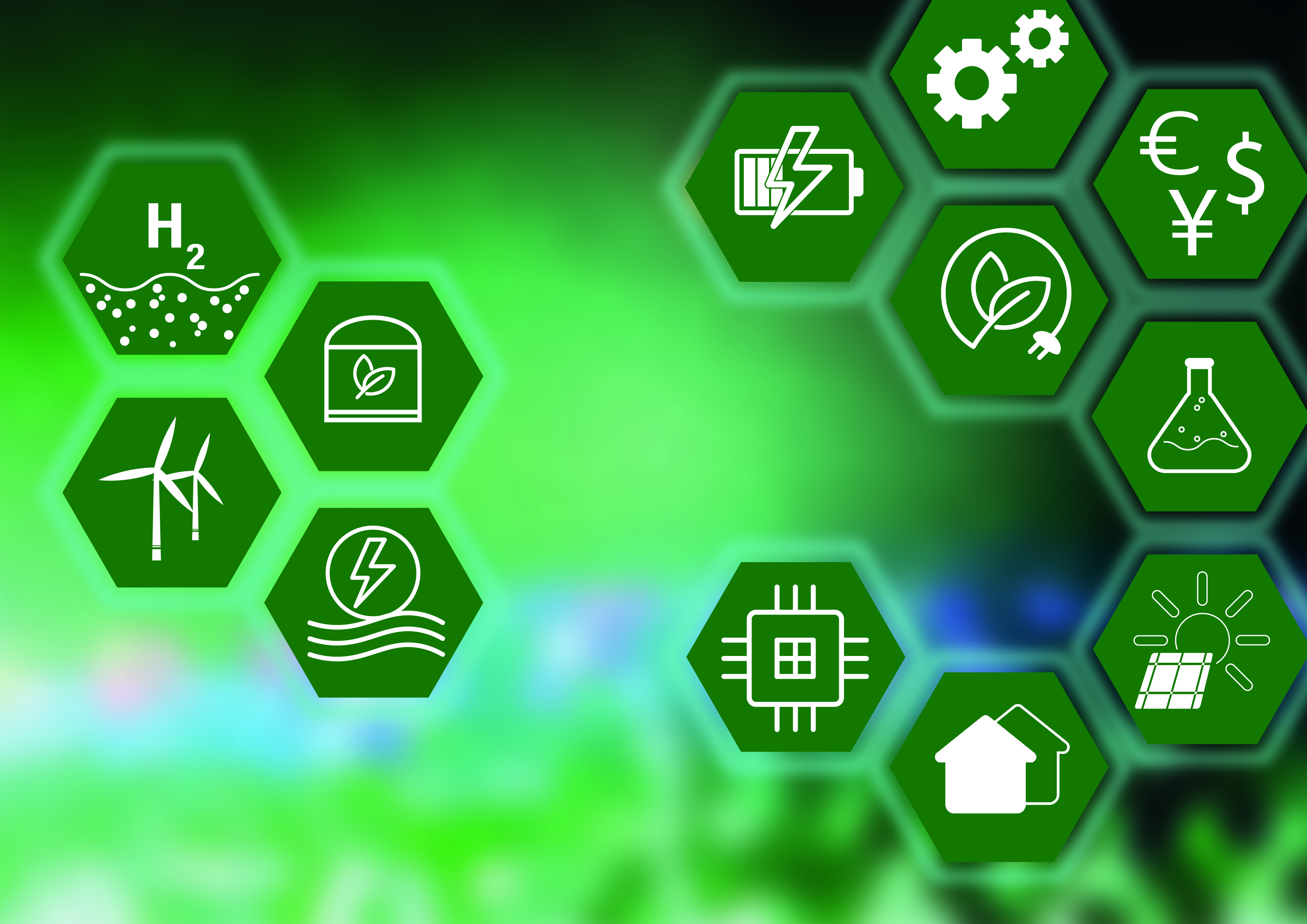
Music festival organisers are under constant pressure to make their events more sustainable and one of the key drivers is the use of cleaner energy. A large-scale outdoor festival needs a huge amount of electricity to power everything found on a site. What developments are taking place that will change how organisers generate power over the next 5 years.
Music festivals need large amounts of power, commonly between 3.5 MW to 5 MW, with some of the largest events pulling as much as 30 MW over a weekend. Historically only large diesel-powered generators could generate sufficient electricity to power backlines, speaker systems, and lighting on main stages, for example. Organisers have been testing low carbon alternative fuels and power systems over the last few years but are they now ready to take the plunge and go with new technology.
Current Status (2026).
The entire outdoor music festival sector is currently transitioning to cleaner fuels and power generation systems to reduce their overall carbon footprint. However, power hungry festivals have still been relying on traditional diesel/HVO generators for a reliable source of electricity. Some organisers have been experimenting with wind and solar power, but these are less reliable, costly to install and only supply small amounts of electricity. Hydrogen powered generators have been a common sight at many events and can generate comparative amounts of electricity to a diesel/HVO generator. Advances in technology means that hybrid battery systems linked to storage are becoming more commonplace and with smart microgrids are making the power generation and usage incredibly efficient.
Diesel and Biofuels Could be Replaced by Hydrogen.
Large scale music festivals have been using large hydrogen fuel cell power generators successfully for some time and present an affordable, reliable and powerful alternative to diesel/HVO generators. Fuel cells provide silent, zero emission power with water as the only by-product. Green hydrogen, which uses renewable power to produce, can be sourced and delivered through a mobile refueling infrastructure. The hydrogen generator can run for days without the need for refueling and is easily connected to battery power hubs.
Smart Grids and Battery Storage.
The installation of a single intelligent power microgrid will become standard and negate the need for multiple generators throughout a festival site. Battery storage systems are connected to the smart grid where power delivery and usage is automatically balanced. Power can come from solar, wind, and hydrogen generators with AI enabling load management where spikes are accurately predicted, enabling optimised energy distribution in real time. The smart grid and battery storage systems reduce overall fuel consumption and carbon emissions whilst improving power resilience at the same time. The battery storage systems used on festival sites, sometimes called battery farms with lithium-ion systems, are likely to be replaced in the near future with solid state batteries. These new batteries offer higher energy density, faster charging, greater fire safety, and a longer operating life.
Solar and Wind Remain Small Contributors.
Although solar and wind power generators are great as zero emission alternatives, they can be expensive to install and maintain, producing little power (trickle supply). However, developments in technology will see a reduction in costs with greater reliability, and festival organisers will still be utilising them for small stages and site lighting with excess power being fed into smart power grids. Although still experimental, other power generation initiatives like kinetic energy harvesting (walkways and paths) will become more common on festival sites over the next 5 years.
Integration.
There is likely no magic power generation solution for music festivals in the next 5 years, but most will adopt a hybrid set up that balances power needs with costs and low emission requirements. New technology is enabling the collection of more accurate data from the power generation systems being used, and this will improve the reporting of carbon emissions, fuel consumption, generator efficiency, and renewable contribution. This will provide much needed data for sustainability certification. The large music festival in 5 years will probably be using a balance of power generation methods with 30% coming from hydrogen, 60% from batteries and the rest from solar and renewable harvesting systems.
For festival organisers planning their next event using a software management platform like Festival Pro gives them all the functionality they need manage every aspect of their event logistics. The guys who are responsible for this software have been in the front line of event management for many years and the features are built from that experience and are performance artists themselves. The Festival Pro platform is easy to use and has comprehensive features with specific modules for managing artists, contractors, venues/stages, vendors, volunteers, sponsors, guestlists, ticketing, site planning, cashless payments and contactless ordering.
Image by akitada31 via Pixabay
<< Back to articles
Contact us
Get in touch to discuss your requirements.
US: +1 424 485 0220 (USA)
UK: +44 207 060 2666 (United Kingdom)
AU: +61 (2) 8357 0793 (Australia)
NZ: +64 (0)9887 8005 (New Zealand)