Managing Music Festival Campsite Waste.
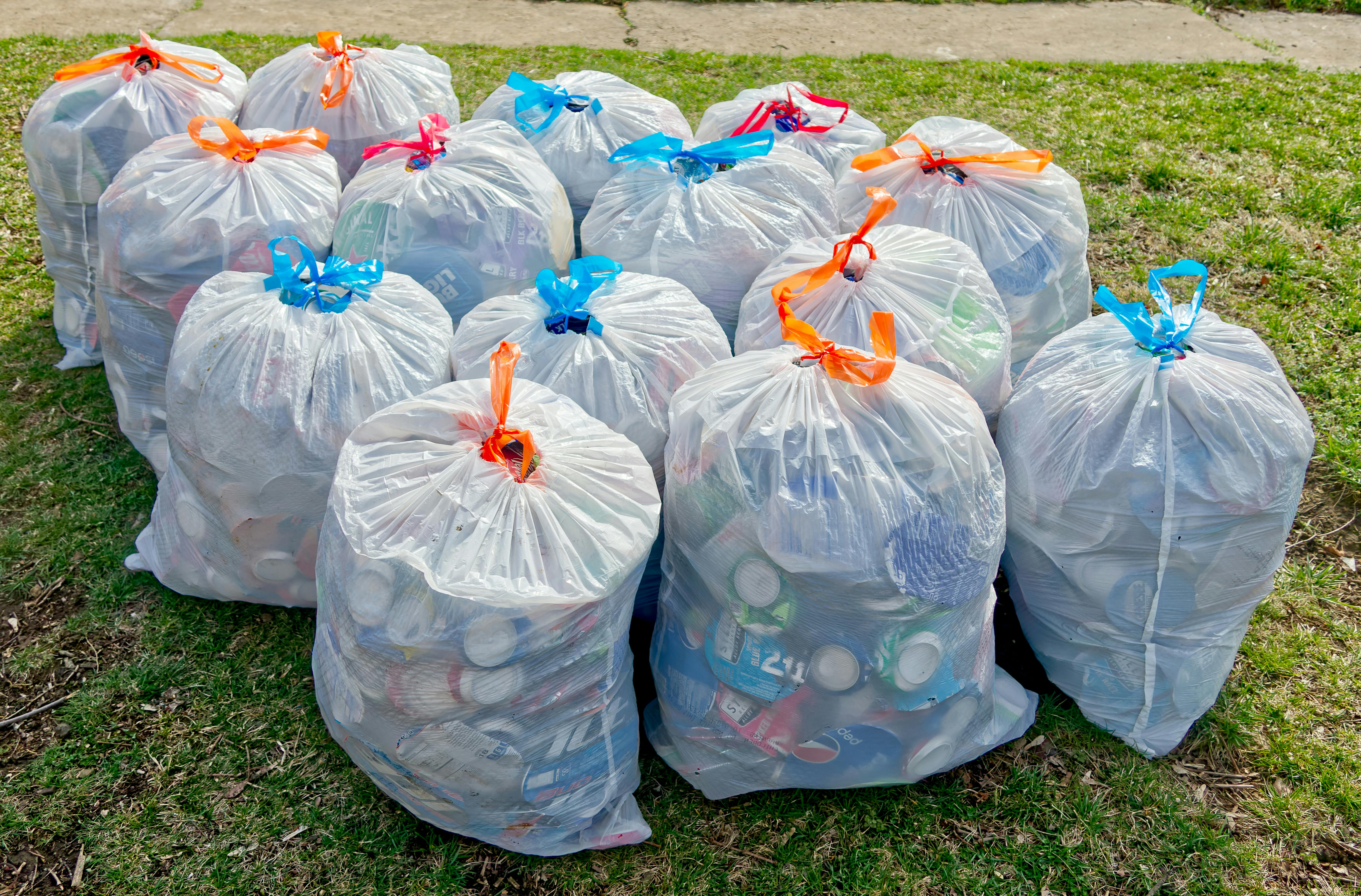
The waste generated from operating a large music festival can be substantial and organisers are under pressure to improve their waste management and sustainability credentials. Controlling waste in campsite zones can be the most challenging aspect of a festival’s waste management strategy. How can organisers improve their management of campsite waste.
Festival organisers have invested time and money to improve their site waste management and for most of a site many have now implemented strict policies to help reduce waste generation. Organisers have control over vendor waste with contract obligations and waste management contractors ensure that site waste is collected and disposed of or recycled as appropriate. Controlling waste generated on campsites can be more challenging as many festival-goers do not take their tents when they leave which can often contain large qualities of waste too. What steps can organisers take to reduce the waste generated and left behind on festival campsites.
Festival Campsite Design and Policies.
Campsites can be designed for low waste where prevention is more important than clearing waste later. Organisers are introducing measures to prevent tents from being left behind which include taking a camping pitch deposit which is refundable when festival-goers can demonstrate that they have removed their tent from the pitch. In some cases, organisers arrange for reusable pre-pitched tented camping zones with a ban on festival-goers bringing their own tent. Events can have a list of banned items in their FAQs, and this can include single use plastics, disposable BBQs and packaged foods. All campsites should have clearly labelled waste disposal bins in sufficient qualities to avoid overflowing. Labels and colour coding can indicate general waste, recycling, and organic, for example. If there are insufficient waste bins on a camping site, festival-goers are more likely to leave waste in their tents or just discard items on the ground.
Educating and Incentivising Festival-Goers.
The easiest way to prevent the buildup of campsite waste is to run campaigns before an event to educate festival-goers on what is and what is not acceptable behaviour. Changing behaviour can be difficult but incentivising correct waste disposal can help shift attitudes towards waste. Deposit return schemes have been working well in many cases; additional activities can include reward systems where waste is exchanged for merchandise or organisers can operate recycling lotteries for example. Disposal of cans and bottles can be rewarded with tokens which can be exchanged for various rewards. Clear communications to festival-goers prior to live event dates can clearly outline the organisers policies on abandoned tents encouraging them to take their tent and personal waste home with the principle of ‘leave no trace’. Push notifications and messaging can be sent to festival-goers during the event to remind them about managing their personal waste disposal and ensuring that everything is disposed of appropriately or taken home.
Waste Management Contractors.
Most organisers appoint a specialist waste management contractor to manage site waste collection and disposal. These arrangements generally operate well, and contractors usually work closely with volunteer teams to ensure that waste does not build up in busy zones. After the event contractors will collect all the site waste ready for disposal. If the on-site waste sorting has been successful, it makes the deposal process more efficient and prevents site contamination. Contractors often perform a secondary sorting of waste off site to ensure recycling is maximised in the disposal process.
Volunteers and Waste Management.
The festival's volunteer teams are an integral part of site waste management, and there will always be teams performing waste management duties. Aside from ensuring that the site pathways are kept clean and clear, volunteers are responsible for ensuring that no bins overflow. It should be the responsibility of volunteers on waste clearing duties to roam campsites ensuing that festival-goers are managing their own waste appropriately. Gentle reminders given to festival-goers can contribute towards more acceptable behaviour. Organisers often put all available volunteers on clean up duties at the end of an event, and the campsite zones should be a particular focus for them to ensure that festival-goers are taking their tents and waste with them.
Sustainability and Partnerships.
Organisers usually publish post event reports on their sustainability achievements, and waste management is always a key part of this. Where possible organisers should be measuring the waste per festival-goer, recycling rates and campsite-specific waste volumes. Year-on-year data and statistics can indicate improvements over time. Organisers should also form partnerships with other organisations who can help with waste management like environmental NGOs, circular economy startups and waste innovation providers. Implementing initiatives specifically for campsite zones can be great way for these partners to engage directly with festival-goers.
For festival organisers planning their next event using a software management platform like Festival Pro gives them all the functionality they need manage every aspect of their event logistics. The guys who are responsible for this software have been in the front line of event management for many years and the features are built from that experience and are performance artists themselves. The Festival Pro platform is easy to use and has comprehensive features with specific modules for managing artists, contractors, venues/stages, vendors, volunteers, sponsors, guestlists, ticketing, site planning, cashless payments and contactless ordering.
Image by Loren Biser via Pexels
<< Back to articles
Contact us
Get in touch to discuss your requirements.
US: +1 424 485 0220 (USA)
UK: +44 207 060 2666 (United Kingdom)
AU: +61 (2) 8357 0793 (Australia)
NZ: +64 (0)9887 8005 (New Zealand)