Multi-Skilling Music Festival Staff.
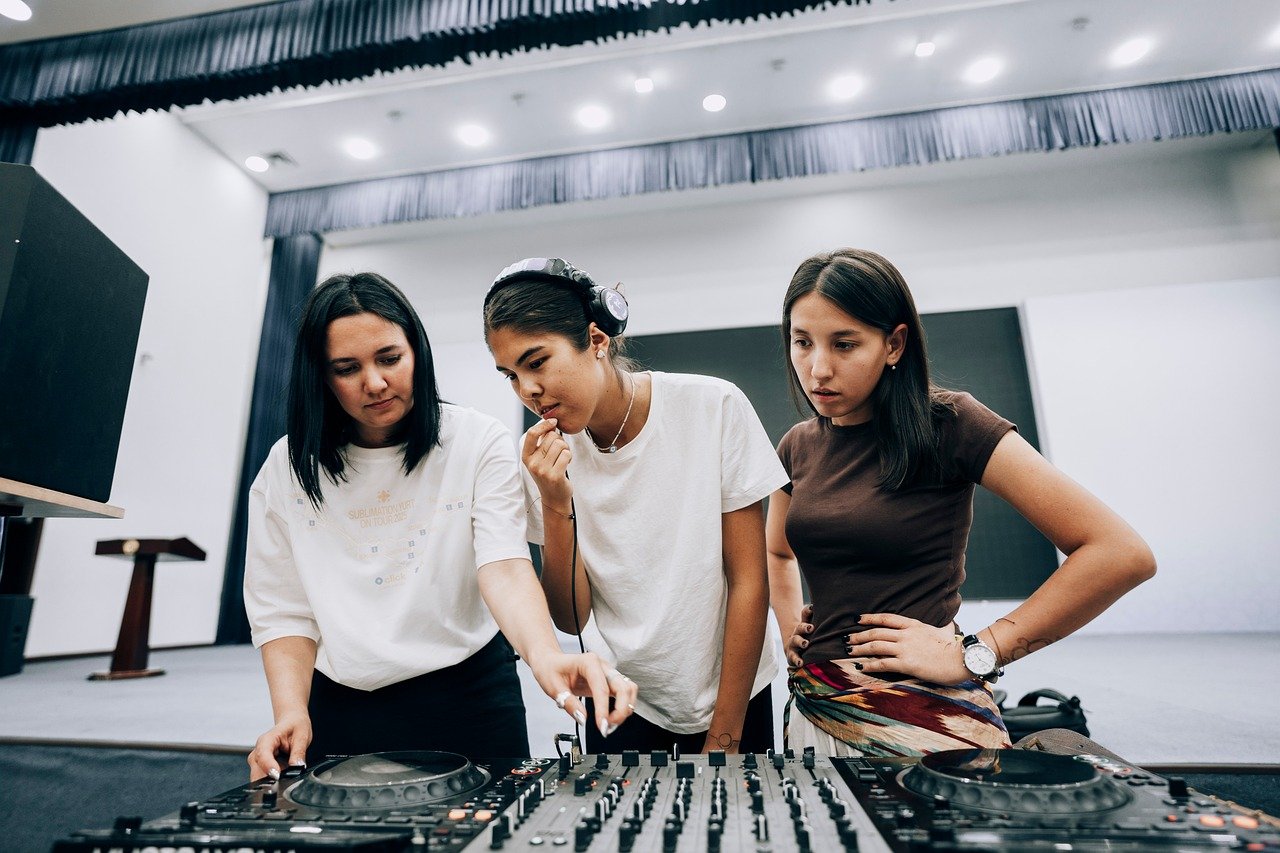
The music festival environment is often described as organised chaos, which makes it a challenging workplace. The dynamic nature of festival logistics often means staff will be called on to perform duties outside of their usual role. Festival organisers can benefit from a formal process to enable multi-skilling, but what does this look like in practice..
Organising entities are under increasing pressure to reduce overheads where margins are being squeezed and experienced staff are becoming more difficult to recruit and retain. The operational and logistical work required on live event dates and the period just before can be subject to unpredictable issues and often require all staff to contribute to resolve these. Multi-skilling ensures that resources are redeployed to duties as the requirements evolve. The risk of doing this on an ad-hoc basis is that a critical duty is allocated to a member of staff with no experience or knowledge to preform it. A formal process of multi-skilling can provide a more versatile workforce reducing overall operational risks.
Why Multi-Skill.
A typical music festival may have between 10 and 20 permanent staff plus additional contractors and volunteers closer to the event live dates. Whilst each staff member may be assigned a specific role like operations, production, curation, engineering, marketing, finance, IT and customer service getting them deliberately trained in other roles or departments provides a multi-skilled workforce. This gives organisers increased workforce flexibility during peak periods and allows for faster on-site problem solving for typical issues encountered. In addition, it reduces risk exposure form staff sickness or absence whilst improving every individual’s feeling of worth and improving long term retention.
Typical Process.
Many organisations do have informal processes for multi-skilling and in a festival environment this often means being thrown in at the deep end without the appropriate experience or knowledge. Implementing a multi-skilling programme during quiet periods for the organisation allows for a formal process to be developed. This process usually starts with building a skills matrix for all staff that details their level if competency for different duties where over time every staff member has their primary role and a secondary role clearly defined. With all roles and duties clearly defined organisers can arrange for training, typically job shadowing which is preferred in the festival environment. An internal certification process can also be used to verify training given and received along with the proficiency level attained. When on-site urgent issues arise organisers can quickly identify the best suited individual to perform a duty which may include RFID scanning gate entrances to relieve overcrowding or helping with artist hospitality for example. A certain amount of multi-skilling should also form part of formal volunteer training too to provide more on-site flexibility.
Benefits for Staff.
Staff who receive additional training outside of their core duties will have a better understanding of the overall organisation rather than remaining in their allocated silo. This can open more opportunities to change their career as they find more attractive job functions outside of their core skills. This can be reflected in their resume too and increases their employability if they choose to change jobs. Any type of training generally has a positive impact on staff morale and their feeling of self-worth as they believe that the employer values them and the contribution they can make. Organisers can give financial rewards to staff who complete training or have been required to perform their secondary role during a festival's live dates. Completion of training in other roles can help staff to progress their careers to supervisory or managerial roles when opportunities arise.
Benefits for Organisers.
Multi-skilling a festival workforce increases their operational resilience as staff can quickly step into roles if there are absences. A versatile workforce can reduce the need to over recruit in different departments as there will always be someone from another role who can step in should there be a temporary shortfall in resources. The internal communication between different departmental functions can be improved because everyone will have some level of competency and understanding of issues raised by other departments. This can invariably speed up problem solving and reduces any friction between staff. Training will always increase staff retention rates as they feel more valued with greater job satisfaction levels and sickness from burnout is reduced too.
For festival organisers planning their next event using a software management platform like Festival Pro gives them all the functionality they need manage every aspect of their event logistics. The guys who are responsible for this software have been in the front line of event management for many years and the features are built from that experience and are performance artists themselves. The Festival Pro platform is easy to use and has comprehensive features with specific modules for managing artists, contractors, venues/stages, vendors, volunteers, sponsors, guestlists, ticketing, site planning, cashless payments and contactless ordering.
Image by xusenru via Pixabay
<< Back to articles
Contact us
Get in touch to discuss your requirements.
US: +1 424 485 0220 (USA)
UK: +44 207 060 2666 (United Kingdom)
AU: +61 (2) 8357 0793 (Australia)
NZ: +64 (0)9887 8005 (New Zealand)