Preferential Local Hotel Deals for Music Festivals.
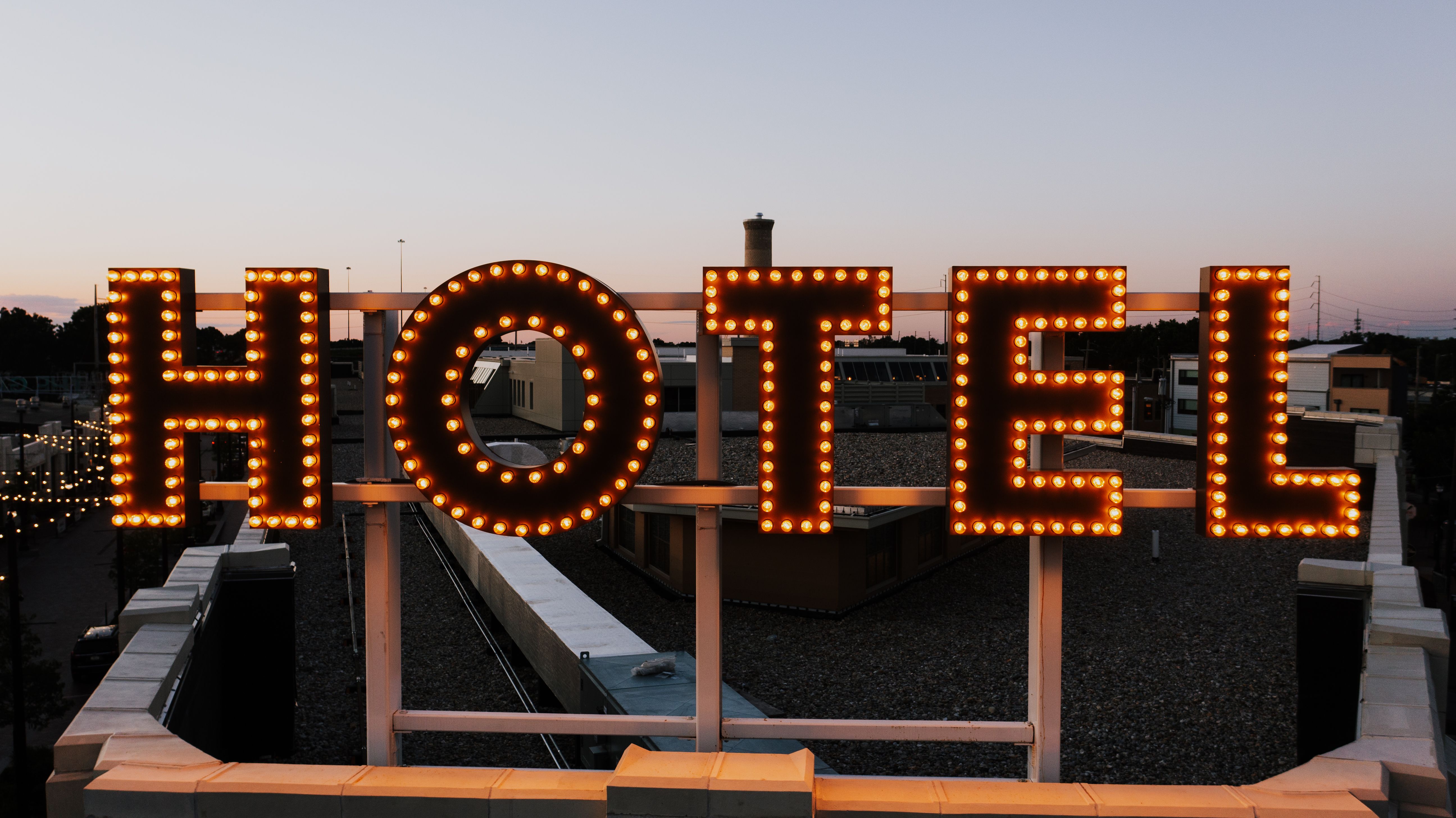
Most multi-day music festivals will provide a variety of accommodation options for festival-goers, volunteers, staff, artists and crew. On-site accommodation will usually consist of camping and glamping options but adding in local hotels provides added choice. How can organisers find and negotiate deals with local hotels that benefits everyone concerned.
Obtaining a good deal with local hotels can provide commercial benefit for both the festival organisers and nearby hotels. Hotel accommodation is often preferred by artists, crew, staff and VIP guests as an alternative to camping on site. When integrated with reliable shuttle transport systems local hotels provide convenience and comfort whilst supporting the local economy. How can festival organisers identify and negotiate preferential rates and long-term deals with local hotels as a key part of their overall accommodation strategy.
The Festival Accommodation Strategy.
A large-scale multi-day music festival will almost always provide a variety of camping options, from basic pitch spaces to pre-erected tents and glamping alternatives. These options provide on-site accommodation for a range of budgets. The needs and requirements of performing artists and crew plus staff and other VIP guests may preference a more comfortable experience, usually a local hotel, so it is essential that organisers offer these options too. Organisers will usually allocate hotel availability based on likely needs, with artists and VIP guests being a priority. It is not unusual for organisers to block book rooms well in advance to obtain preferential rates and satisfy likely needs for identified individuals. For a relatively remote festival site locations the number of hotel rooms available may be limited so an early commitment is required along with a robust shuttle transport service which should form a key part of planning considerations.
Assessing Local Hotel Options.
The accommodation available locally may consist of chain hotels, smaller independent guesthouses and Airbnb with each having their own policies towards negotiating any deals. Each different type of establishment may offer a mixture of preferential rates and priority services based on a block booking for example. Other factors that can influence hotel selection can include the amount of flexibility offered regarding how long rooms can be held for. The room booking structure will usually depend on the festival's size, booking certainty, local hotel capacity, and the financial risk the organiser and hotel owner is willing to accept.
Building Hotel Deals and Partnerships.
During the planning phase organisers should determine the likely number of hotel rooms they will need. Some will be allocated to artists and VIP guests where the booking certainty is high along with options for crew and staff plus the remaining for festival-goers, for example. This principle allows organisers to block book some rooms with certainty with an option of further rooms. This allows preferential rates to be negotiated and is a low financial risk for organisers as hoteliers can release optioned rooms if no confirmation is received. A higher financial risk strategy is to guarantee a block booking of rooms which if not used will incur financial penalties for example. When negotiating deals the key contractual issues are room release deadlines, minimum pickup, cancellation charges, payment terms, rate guarantees, room upgrades and what happens if the festival is postponed or cancelled. Any deals with local hotels should be completed in principle at least 6 months before the event live dates with final confirmation being made around 3 months before the festival. In the weeks before the event any booking logistics should be finalised with booking details sent to artists, crew and VIP guests with their details provided to hotels. An essential part of any hotel booking confirmation will be details of room types, meals included and shuttle transport arrangements along with timetables.
Financial Strategy.
Organisers negotiating deals and future partnerships will be more successful if they can provide credible estimates each year which makes the hotels more willing to do room deals. In addition, it is preferable that organisers approach hotels early in the planning phase to enable a smooth and efficient booking process. All bookings and deals should be fully documented using both the hotels' systems and the organisers own event management software to ensure accurate transparency. If the organiser can generate sufficient interest form their festival-goer community for discounted room rates, it may be possible for them to earn additional commission revenue from any arrangement. Organisers can advertise discount codes for individuals booking themselves or offer packages which can boost overall ticket sales too. It may be possible to get large hotel chains to sign up as the event's official accommodation sponsor allowing for either sponsor revenue or increased room discounts for example. Organisers should also check whether any commission or sponsorship arrangement creates a conflict with their promise to provide impartial accommodation recommendations. An effective booking strategy puts the hotel offer directly in front of ticket buyers at ticket checkout, in confirmation emails and in reminders before the event, rather than relying on a single announcement.
For festival organisers planning their next event using a software management platform like Festival Pro gives them all the functionality they need manage every aspect of their event logistics. The guys who are responsible for this software have been in the front line of event management for many years and the features are built from that experience and are performance artists themselves. The Festival Pro platform is easy to use and has comprehensive features with specific modules for managing artists, contractors, venues/stages, vendors, volunteers, sponsors, guestlists, ticketing, site planning, cashless payments and contactless ordering.
Image by Kelly via Pexels
<< Back to articles
Contact us
Get in touch to discuss your requirements.
US: +1 424 485 0220 (USA)
UK: +44 207 060 2666 (United Kingdom)
AU: +61 (2) 8357 0793 (Australia)
NZ: +64 (0)9887 8005 (New Zealand)