Music Festival Backline Equipment Long Term Leasing vs Buying.
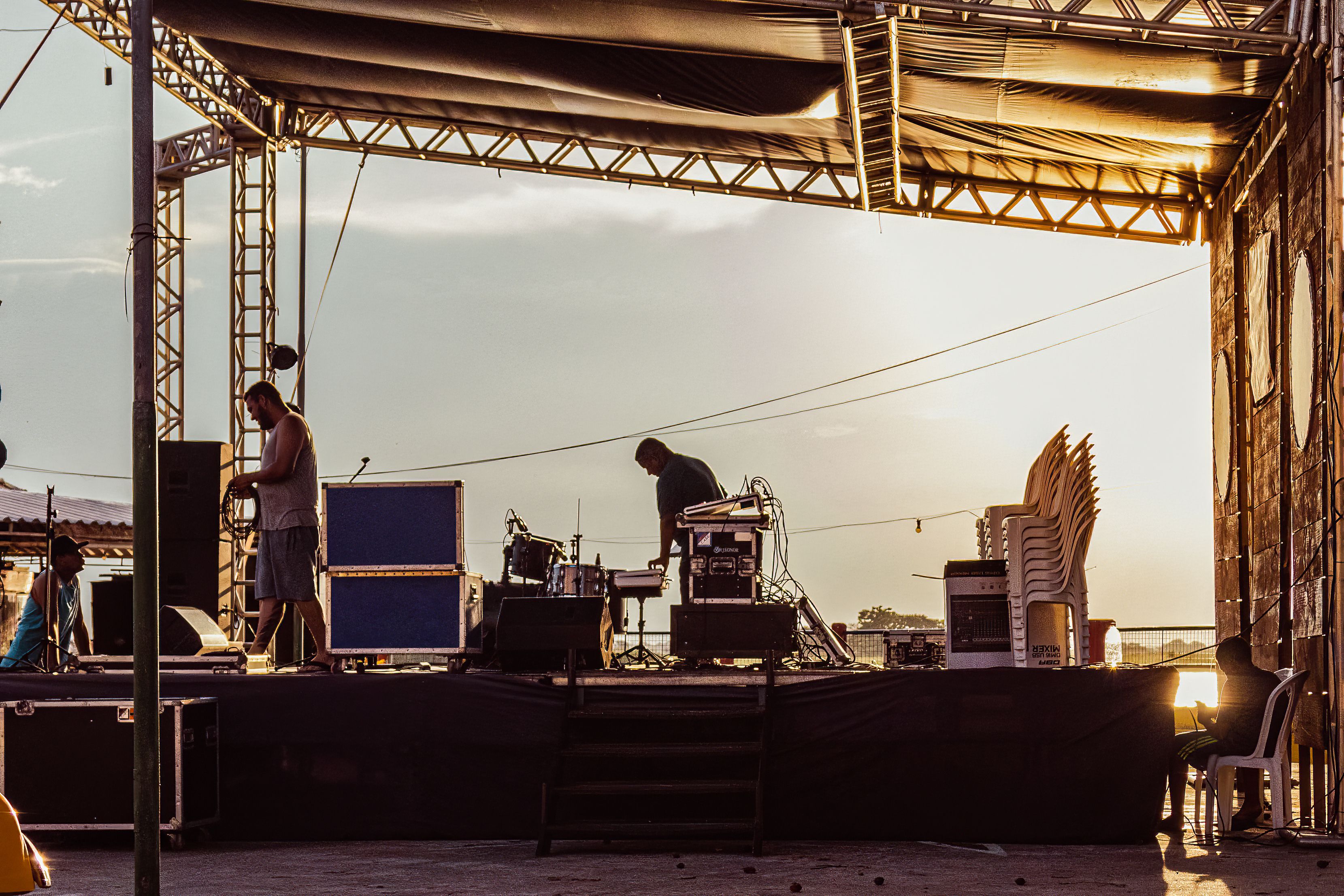
The decision for music festival entities to either buy or lease backline equipment depends on multiple factors. Key influences on these decisions can include financial standing, operational efficiency, reliability, and performance artists' requirements. What are the pros and cons of leasing backline equipment vs buying outright.
Many festival entities that are starting out will opt for simple one-off rental arrangements for backline equipment because they are probably not in a financial position to make any long-term commitments. For those festivals that have been around for a few years, considering a greater financial commitment to their backline equipment can make sense. What are the decision-making processes for selecting the most appropriate arrangements for backline equipment.
Outright Purchase Pros and Cons.
If a festival entity is successfully running an annual large-scale multi-day event or a number of events over the year, owning backline equipment can make financial sense. If the same core backline set up is used for each event it creates a smooth production set up process and organisers are not reliant on the availability of rental equipment. When not in use the equipment can be rented out to other festivals potentially generating additional income for the festival entity. Committing to an outright purchase does require having sufficient capital to invest and allowances need to be made for depreciation over time, with some equipment quickly becoming obsolete. The ongoing storage and maintenance of backline equipment can become a burden for some entities.
Leasing Pros and Cons.
Numerous backline equipment suppliers can offer leasing schemes for festival entities where long-term financial commitments are based on regular payments in exchange for equipment always being available for events. The financial investment by entities becomes lower than outright purchase and agreements can spread payments over several years easing the financial burden for organisers. A long-term leasing arrangement can specify that the supplier always provides the most up to date equipment so nothing becomes obsolete and varying production specifications can be more easily managed. The supplier becomes responsible for maintenance and storage meaning there is less for organisers to manage. The key downsides are contracts that require a long-term commitment with regular financial payments due whether a festival goes ahead or not. In addition, some suppliers do not update and invest in the latest technology as expected leaving the organisers with equipment shortfalls when trying to satisfy performance artist requirements.
Factors Influencing Lease or Purchase.
For organising entities that run and manage multiple events every year the outright purchase option may be a sensible option both financially and for operational efficiency. This decision makes sense if the same core backline equipment is planned and used at every event with little variation in technical requirements. Investing in equipment is logical where the entity is in a strong cash flow position with investment funds readily available, further strengthened if they already have access to storage facilities too. For festival entities that encounter constantly changing production requirements where technical specifications are not uniform a flexible leasing model may be more suitable. In addition, many festival entities operate with small margins and cash flow challenges which all but rules out any backline equipment purchase considerations.
The Hybrid Model.
The common-sense approach for many festival entities is to operate a hybrid approach when considering their backline equipment. Rather than committing to outright purchase or leasing arrangements it may be more practical to have a flexible approach that caters for each event's specific requirements. The outright purchase of core equipment like standard drum kits, frequently requested amplifiers, stands, durable accessories and other equipment with predictable demand can be a sensible approach. Long term leasing arrangements can work for equipment that needs regular technology updates and provides upgrade options giving the entity predictable payments and supply. For specialist equipment requests made by artists for rare amplifiers, specialist keyboards and vintage instruments, for example, organising entities can opt for a one-off rental arrangement from a specialist supplier. This hybrid approach to backline equipment management combines ownership with long term leasing and short-term hire, avoiding large capital expenditure whilst retaining operational efficiency and production flexibility.
For festival organisers planning their next event using a software management platform like Festival Pro gives them all the functionality they need manage every aspect of their event logistics. The guys who are responsible for this software have been in the front line of event management for many years and the features are built from that experience and are performance artists themselves. The Festival Pro platform is easy to use and has comprehensive features with specific modules for managing artists, contractors, venues/stages, vendors, volunteers, sponsors, guestlists, ticketing, site planning, cashless payments and contactless ordering.
Image by Wallace Silva via Pexels
<< Back to articles
Contact us
Get in touch to discuss your requirements.
US: +1 424 485 0220 (USA)
UK: +44 207 060 2666 (United Kingdom)
AU: +61 (2) 8357 0793 (Australia)
NZ: +64 (0)9887 8005 (New Zealand)